English| USD
Suggested for you
More currencies
Choose a language
The Sunwapta River flows through Jasper National Park with Class III rapids that draw thousands of rafters each season. This guide addresses the question prospective rafters ask most: whether the activity carries serious risk, what the statistics show, and which conditions require caution.
Quick answer
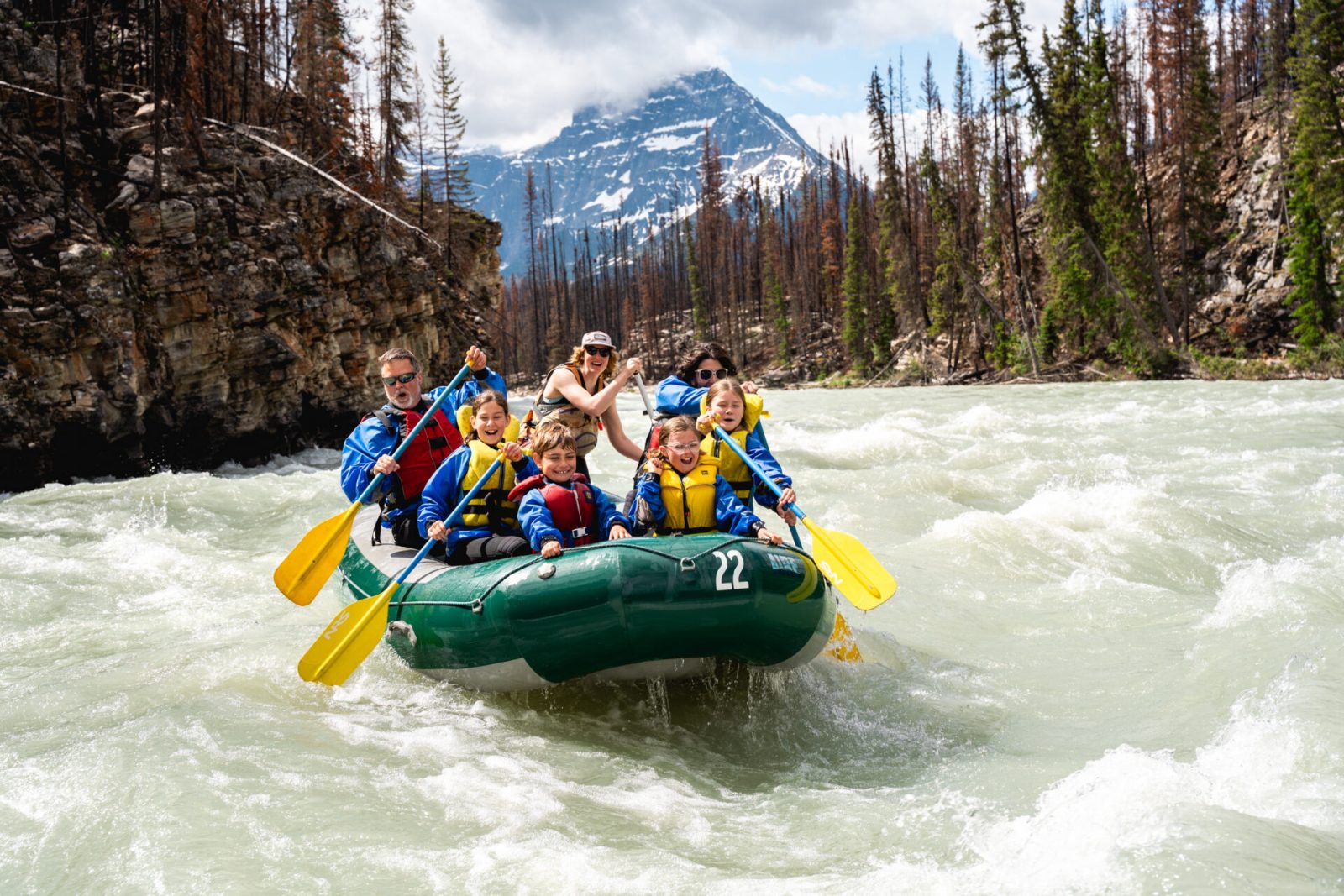
River rafting on the Sunwapta carries moderate risk when proper safety protocols are followed. Commercial operators report injury rates below 0.5% per trip, with most incidents limited to minor bruises or cold-water immersion. The primary hazards—ejection from the raft, collision with submerged rocks, and hypothermia—are managed through mandatory safety gear, guide training, and pre-trip briefings. High spring runoff and water temperatures below 8°C elevate risk substantially.
The Sunwapta's Class III designation places it in the intermediate category—waves reach two meters, hydraulics form behind boulders, and routes through rapids require precise maneuvering. Unlike Class I float trips, paddlers here encounter forces capable of throwing them from the raft. Unlike Class IV or V rivers, however, the Sunwapta's rapids feature clear channels and recovery pools, and rescue is straightforward when guides follow protocol. Statistical risk depends heavily on operator standards. Licensed outfitters operating under Parks Canada oversight maintain low incident rates through equipment inspections, water-level monitoring, and guide certification requirements. The majority of rafting injuries in the Jasper corridor occur during unsupervised private trips or on sections where snowmelt pushes flow rates beyond safe thresholds. Cold-water immersion presents a secondary hazard: even in July, the Sunwapta's glacial source keeps temperatures cold enough to trigger cold shock response within seconds of submersion. The river's hazard profile shifts across the season. Early June brings peak melt from the Athabasca Glacier—flows can double overnight, submerging familiar features and creating new hydraulics. By August, the river settles into a predictable rhythm, and visibility improves as sediment drops. Guides adjust put-in locations and route selection daily based on flow data from the Icefields Parkway gauge. Rafters who arrive outside the optimal window face either excessive force or insufficient depth, both of which compromise safety margins. Whitewater rafting danger is not binary. The activity involves real physical forces and environmental exposure, managed through layers of mitigation—wetsuit insulation, helmet protection, throw-bag rescue systems, and continuous communication between paddle crew and guide. Participants with recent shoulder injuries, limited swimming ability, or cardiovascular conditions face elevated personal risk. Disclosure during booking allows operators to recommend alternative sections or adjust group composition. The question is not whether the river is dangerous in absolute terms, but whether a given rafter, on a given day, with a given operator, has aligned conditions and preparation with acceptable risk.
“The Sunwapta's Class III rapids feature clear channels and recovery pools—rescue is straightforward when guides follow protocol.”
Prospective rafters often associate whitewater with uncontrolled risk, leading to common misconceptions regarding safety standards on the Sunwapta River. Understanding the professional management of these waters helps distinguish perceived danger from the reality of supervised river activity.
MythRafting is an extreme sport that lacks professional oversight.
FactProfessional guides lead every trip, adhering to strict safety protocols and standard operating procedures on the water.
MythOnly expert swimmers are permitted on the river.
FactGuides provide comprehensive safety briefings and instruction; non-swimmers participate regularly under the supervision of trained personnel.
MythWater conditions are unpredictable and pose a high risk to all participants.
FactRiver conditions are monitored by experienced guides who utilize professional judgment to manage safety throughout the excursion.
Operators supply safety equipment, but a few personal preparations ensure comfort and readiness on the water.
Prospective rafters often weigh the Sunwapta River's Class II-III rapids against calmer Class I waters or more aggressive Class IV conditions to determine if the experience fits their comfort level. Understanding these classifications helps clarify the physical and technical demands required for a rafting trip.
| Class I Rapids Easy Water | Sunwapta River Class II-III Recommended | Class IV Rapids Advanced/Technical | |
|---|---|---|---|
| Rapids Rating | Class I (Moving Water) | Class II-III (Intermediate) | Class IV (High Intensity) |
| Technical Difficulty | Minimal (Straightforward) | Moderate (Maneuvering) | High (Complex Obstacles) |
| Physical Exertion | Low (Passive) | Moderate (Active Paddling) | High (Demanding/Athletic) |
| Experience Required | None (Suitable for all) | Basic (Beginner friendly) | Previous experience suggested |
Verdict: The Sunwapta River offers a moderate balance of engagement and accessibility, making it suitable for rafters seeking an active experience without the high risks associated with Class IV technical water.
The best window for rafting the Sunwapta River occurs during mid-summer months when glacial melt stabilizes water volumes. Aligning your arrival with the best arrival window of 09:00–14:30 ensures optimal water flow conditions for navigating river intensity.
Cool, 5°C to 12°C
High water levels from snowmelt increase river intensity and technical requirements for rafters.
Warm, 15°C to 22°C
Glacial melt provides consistent, reliable water volume ideal for navigating class II and III rapids.
Cool, 4°C to 14°C
Water levels recede as temperatures drop, resulting in a calmer river environment.
—
This window aligns with daily melt patterns, providing predictable river flow and manageable safety profiles.
Verdict: The optimal period for rafting is mid-summer, specifically July and August, arriving within the 09:00–14:30 window to experience peak water flow conditions.
Sunwapta River rafting operations are open daily to accommodate varying water flow conditions. Planning your arrival between 09:00 and 14:30 ensures alignment with peak conditions and scheduled departures.
River rafting costs on the Sunwapta River depend on your access to Jasper National Park. Please note that these fees relate strictly to park access rather than rafting activity packages.
Verdict: A typical adult pays 0 CAD during the peak summer window, while costs outside these dates depend on the purchase of a valid park pass.
Everything you need to know about is river rafting dangerous
The Sunwapta River offers a class II+ experience, which is generally considered manageable for beginners when guided by professionals. While the question is river rafting dangerous is common, certified guides mitigate these risks through extensive training and adherence to safety protocols.
Risks in white water activities often stem from cold water temperatures and navigating natural obstacles like rocks or currents. Understanding that is river rafting dangerous depends on preparation helps rafters stay aware of their surroundings and follow guide instructions carefully.
You do not need prior experience, as professional guides provide comprehensive safety briefings before departure. Even if you worry is river rafting dangerous, the presence of trained instructors and modern flotation devices ensures a controlled environment for all participants.
Water levels fluctuate based on glacial melt, which can change the intensity of rapids throughout the season. Checking the best arrival window helps ensure you experience optimal conditions, as water volume directly influences the technical nature of the river.
Yes, all participants must wear provided life jackets and helmets regardless of their swimming ability. These essential pieces of equipment are strictly enforced to minimize risks, addressing concerns about is river rafting dangerous while on the water.
Children are welcome on specific trips, provided they meet the age and weight requirements set by the operators. Safety is the priority, and guides explain how to sit properly and paddle to maintain balance during the excursion.
The best way to prepare is to arrive within the designated 09:00–14:30 window to ensure you attend the necessary pre-trip orientation. Proper planning reduces unnecessary stress and allows you to focus on the instructional safety segments provided by the team.
Mountain weather can shift rapidly, impacting water conditions and ambient temperatures. Experienced companies monitor these shifts constantly, prioritizing passenger safety and canceling or adjusting trips when conditions exceed standard operational limits.